What Are Tree Removal Services and Why Do Homeowners Need Them?
Tree removal services involve professional crews cutting down and removing unwanted or hazardous trees from residential properties. These services address situations where trees pose safety risks, interfere with construction projects, or have died from disease or storm damage.
Homeowners need these services when trees threaten structures, power lines, or neighboring properties. Dead or dying trees can fall unpredictably, creating liability issues and potential property damage. Overgrown trees may also block sunlight, damage foundations with invasive roots, or simply no longer fit the landscape design.
Understanding what’s included in tree removal services prevents costly misunderstandings. Many homeowners assume a quoted price covers everything from cutting to cleanup, only to discover stump grinding, firewood splitting, or complete debris removal costs extra. The scope varies significantly between companies—some leave large logs on your property while others haul everything away.
Clear communication about service boundaries protects both parties. Homeowners who know which questions to ask can compare quotes accurately, avoid surprise charges, and ensure the final result matches their expectations. This knowledge helps you budget appropriately and select a company that delivers the specific services your property requires, whether that’s complete removal or leaving usable firewood behind.
What Does a Typical Tree Removal Service Include?
Most tree removal services cover three fundamental components: tree felling, branch removal, and debris hauling.
Tree Felling
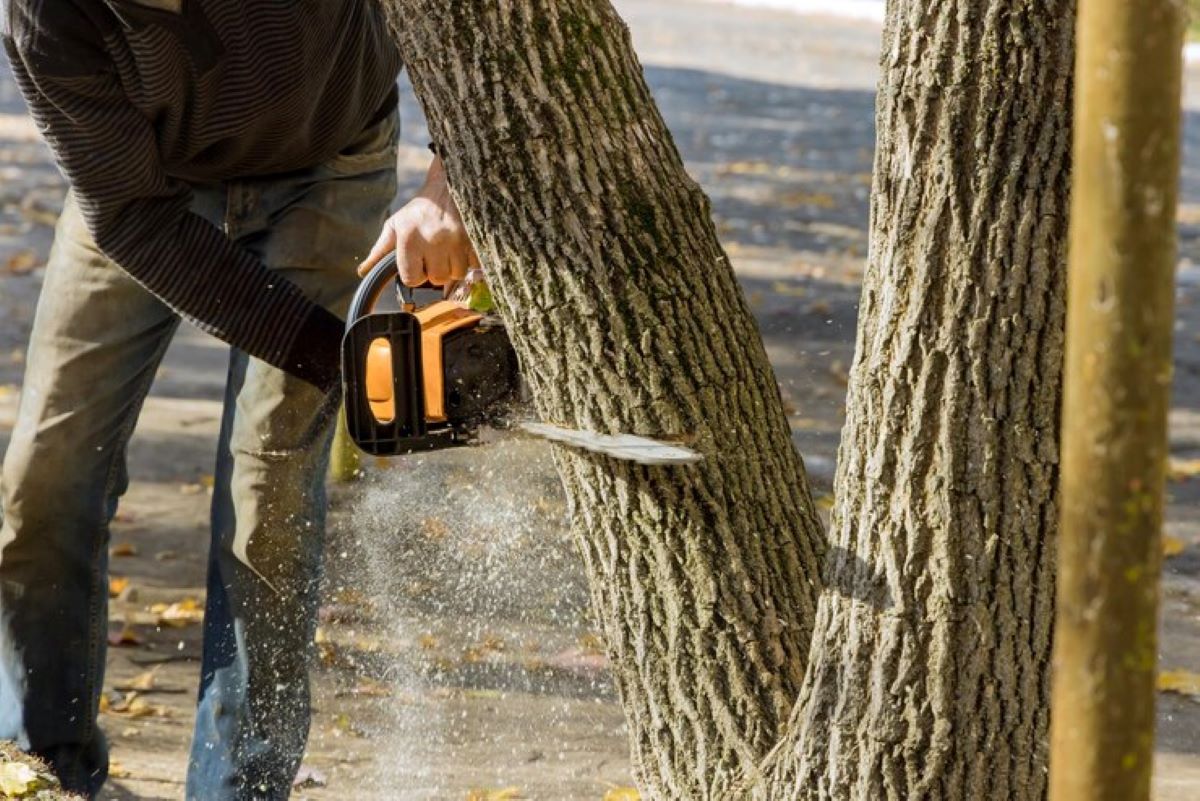
The process begins with safely cutting down the tree using specialized techniques that prevent property damage and ensure crew safety. Professional arborists assess the tree’s lean, surrounding structures, and potential hazards before making strategic cuts.
Branch Removal
Once the tree is down, crews systematically remove all branches and brush from the fallen tree. This step involves separating limbs from the main trunk and clearing smaller vegetation that accumulated during the fall. The work area gets cleared of all organic material that could create obstacles or safety hazards.
Debris Hauling
The final component addresses debris hauling. Crews load all cut branches, trunk sections, and related material onto trucks for removal from the property. This cleanup ensures your yard returns to a usable state without piles of wood and vegetation scattered across the landscape. The extent of this cleanup can vary between companies, making it essential to clarify exactly what gets removed.
Log handling forms the next critical phase. Arborists cut the main trunk into manageable sections, typically ranging from 16 to 24 inches in length depending on the service agreement. These sized pieces are easier to transport and process for various purposes. Some companies cut logs into even smaller segments, while others leave larger sections based on client preferences.
What Services Are Usually Not Included in Standard Tree Removal?
Standard tree removal packages stop at the ground level, leaving several tasks as optional add-ons. Stump grinding exclusion represents the most common surprise for homeowners who assume a “complete” removal means nothing remains. The stump and root system stay behind unless you specifically request grinding services, which typically cost $75-$400 depending on stump diameter and accessibility.
Firewood splitting falls outside standard service agreements. Companies cut logs into transportable sections—usually 12-24 inch rounds—but won’t split these pieces into kindling-ready sizes. Homeowners expecting neatly split firewood stacked and ready for the fireplace need to negotiate this service upfront or plan to rent a log splitter later.
Additional exclusions that catch property owners off guard:
- Smaller debris cleanup: Twigs, leaves, and wood chips may remain scattered across your lawn
- Root removal: Underground root systems continue growing unless chemically treated or excavated
- Wood stacking: Logs get dropped in a pile rather than organized for storage
- Branch chipping: Some companies haul branches away whole instead of processing them on-site
Understanding Tree Removal Services Explained: What’s Included, What’s Not prevents budget overruns. A $500 tree removal quote can balloon to $900 once you add stump grinding, debris hauling, and wood processing. Request itemized estimates that clearly separate base services from optional upgrades.
What Should Homeowners Ask Before Hiring a Tree Removal Company?
Licensing verification and insurance coverage are the two most important questions homeowners must ask before signing any contract. A legitimate tree removal company should have proper state or local licensing and carry both general liability insurance and workers’ compensation coverage. This protects homeowners from financial responsibility if property damage occurs or a crew member gets injured on their property.
Request to see current insurance certificates directly from the company, not just verbal confirmation. Many homeowners skip this step and later discover they’re liable for accidents because the company operated without adequate coverage. Reputable companies willingly provide documentation without hesitation.
Safety protocols and equipment deserve equal attention. Ask what specific safety measures the crew follows during tree removal operations. Professional teams should use:
- Certified climbing harnesses and rigging systems
- Chainsaws with proper safety guards
- Personal protective equipment including helmets, eye protection, and cut-resistant clothing
- Ground control measures to protect surrounding structures
Inquire whether crew members hold certifications from recognized organizations like the International Society of Arboriculture (ISA). Certified arborists bring specialized training in safe tree removal techniques that reduce risk to both workers and property.
Request references from recent projects similar to yours. Speaking with past clients reveals how the company handles unexpected challenges and whether they deliver on promises made during estimates.
How Is Firewood Handled and What Are the Related Considerations?
Firewood processing varies significantly between tree removal companies, making it essential to clarify expectations upfront. Some services cut logs into 16-18 inch fireplace-ready lengths, while others leave them as large trunks requiring additional splitting and cutting by the homeowner.
The method of wood delivery matters just as much as the cutting. Companies may:
- Stack wood neatly in a designated area for easy access
- Drop logs in a pile where the tree fell, requiring homeowners to relocate them
- Leave wood scattered across the property, creating cleanup challenges
Ask whether the company will separate hardwoods from softwoods, as this affects burning quality. Premium hardwoods like red gum and ironbark burn longer and hotter than softer varieties, making them more valuable for heating purposes.
Storage timing plays a critical role in firewood usability. Freshly cut wood contains 50-60% moisture and requires 6-12 months of seasoning before burning efficiently. Companies removing trees in autumn provide homeowners adequate drying time before winter.
In terms of usability, it’s also crucial to consider the type of stove being used for burning. For instance, certain types of firewood are better suited for smaller stoves which are often used in cabins or smaller homes.
Will the wood be left in rounds or split? Most standard tree removal services leave wood in rounds, requiring homeowners to rent or purchase splitting equipment. Splitting services typically cost extra but eliminate the physical labor and equipment investment needed for DIY processing.
What Are the Economic Benefits of Choosing Firewood-Inclusive Services?
Keeping hardwood logs from tree removal can significantly reduce annual heating costs. Premium hardwoods like red gum and ironbark burn longer and produce more heat than softwoods, making them highly valuable for homeowners with fireplaces or wood stoves.
Hardwood firewood value extends beyond immediate heating savings:
- Long burn time: Red gum and ironbark can burn for 4-6 hours per log compared to 1-2 hours for pine
- Higher heat output: Hardwoods generate 20-30% more BTUs per cord than softwoods
- Lower creosote buildup: Cleaner burning means less chimney maintenance and reduced fire hazards
- Market value: A cord of seasoned hardwood costs $300-$500 in many regions
When a tree removal company offers to leave processed logs on-site, homeowners essentially receive free firewood worth hundreds of dollars. A single mature red gum tree can yield 2-3 cords of wood—enough to heat a home through an entire winter season.
The savings compound when considering that purchasing pre-split, seasoned hardwood requires both the material cost and delivery fees. Homeowners who accept logs from their own trees eliminate these expenses while gaining control over seasoning time and storage conditions. Properties with multiple trees requiring removal can accumulate years’ worth of heating fuel at no additional cost beyond the base removal service. Click here to get What Can an Arborist North Sydney Do About Overhanging or Strata-Managed Trees?
Why Is Safety Critical When Removing Trees?
Tree removal is one of the most dangerous jobs in maintaining residential properties. That’s why it’s crucial to have professional certifications and proper safety gear. Falling trees can be extremely heavy and unpredictable, which is why even experienced tree workers take precautions. Without certified training, workers are at risk of serious injuries from falling branches, chainsaw accidents, or equipment failures.
The Importance of Insurance Coverage
Professional tree removal crews must have comprehensive insurance coverage that protects both workers and property owners. This includes workers’ compensation for crew injuries and liability insurance for potential property damage. Before starting any work, a reputable company will gladly provide proof of both types of insurance—homeowners should never rely solely on verbal promises.
The Training Certified Arborists Undergo
Certified arborists go through extensive training in:
- Proper cutting techniques that control how trees fall
- Climbing safety protocols using harnesses and ropes designed for heavy loads
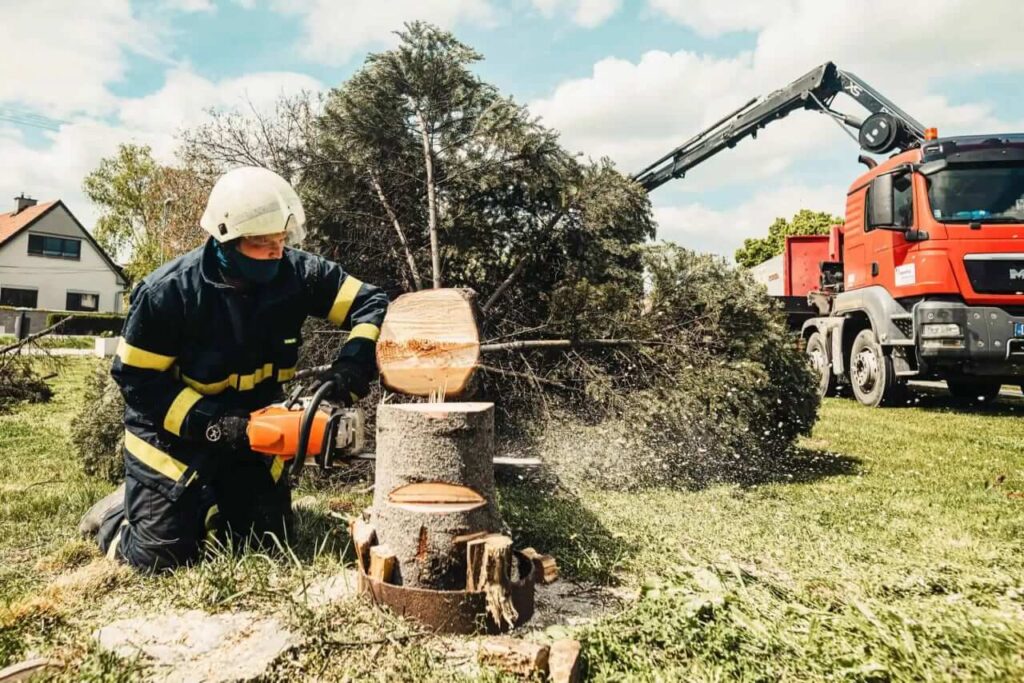
- Chainsaw operation with protective gear such as chaps, helmets, and face shields
- Risk assessment for power lines, structures, and underground utilities
The Need for Specialized Knowledge
The tools used in tree removal also require specialized knowledge. Professional-grade chainsaws, rigging systems, and wood chippers need expertise that DIY attempts cannot safely replicate. Companies that follow OSHA guidelines and industry standards show their commitment to keeping everyone on site safe.
Asking about crew certifications, insurance policies, and safety procedures isn’t just a formality—it’s essential protection against liability if accidents happen during the job.
How Can Homeowners Customize Tree Removal Services to Fit Their Needs?
Can tree removal services be adjusted to match specific requirements and budgets? Yes, most reputable companies offer service customization options that allow homeowners to select only what they need rather than paying for a complete package.
Debris Removal Customization
Debris removal represents one of the most flexible areas for customization. Homeowners can choose to have all branches, leaves, and wood chips hauled away for a premium price, or they can opt for partial removal where larger pieces are taken but smaller debris remains as mulch. Some property owners prefer keeping all wood on-site to reduce costs entirely.
Firewood Handling Customization
Firewood handling offers another customizable element. Companies can cut logs to specific lengths matching your fireplace dimensions, leave them as large sections for splitting later, or stack them neatly in a designated area. Each option carries different pricing:
- Full-service firewood preparation: Logs cut to 16-18 inches and stacked
- Basic cutting: Logs sectioned into manageable pieces but not stacked
- Minimal processing: Tree sections left where they fall
Stump Treatment Customization
Stump treatment provides additional flexibility. While standard removal excludes grinding, homeowners can add this service separately or request the stump be cut flush with the ground as a budget-friendly alternative. Some choose to leave stumps entirely if they plan to use them as garden features or natural seating. For those considering such options, it’s important to understand the various methods available for stump disposal, including the popular choice of stump grinding.
How Do Homeowners Ensure They Get Maximum Value from Tree Removal Services?
Clear communication importance forms the foundation of any successful tree removal project. Homeowners who ask detailed questions upfront avoid unexpected costs and disappointment with service outcomes.
The key questions to prioritize include:
- What specific services are included in the quoted price?
- Will logs be cut to fireplace-ready lengths or left as large sections?
- Is stump grinding included or charged separately?
- How will debris and smaller branches be handled?
- What insurance and licensing does the company maintain?
- Can the service be customized based on budget and needs?
Tree Removal Services Explained: What’s Included, What’s Not, and What Homeowners Should Ask becomes straightforward when homeowners approach contractors with these targeted inquiries. Written agreements that outline service scope, costs, and timelines protect both parties.
Homeowners who invest time in understanding service details before signing contracts consistently report higher satisfaction. They receive exactly what they expect, avoid surprise charges, and often discover opportunities to customize services that better match their property needs and financial constraints.