What Does an Arborist Do in North Sydney and Why Is Professional Tree Management Important for Strata Properties?
An arborist North Sydney is an expert in growing, caring for, and studying trees. They offer specialized services to ensure trees are healthy, safe, and following legal regulations. Arborists evaluate the condition of trees, carry out pruning or removal tasks, and create comprehensive reports for submissions to the local council.
Challenges Posed by Trees in Strata Properties
Overhanging trees and strata-managed trees present unique difficulties for property owners:
- Branches extending beyond property boundaries can cause damage to roofs, gutters, and gardens while also dropping debris onto neighboring properties.
- Root systems of trees may pose a threat to building foundations, driveways, and underground utility lines.
The Importance of Professional Tree Management in Strata Properties
IIn strata properties where multiple parties share responsibility for common areas, professional tree management becomes crucial. Many committees rely on North Sydney tree services to help navigate the complex rules and regulations that govern:
- Council permit requirements for pruning or removing trees
- Restrictions on protected tree species
- Obligations of the owners corporation regarding maintenance of common property
- Legal boundaries between individual lots and shared spaces
Without the guidance of an arborist, strata committees may face penalties for non-compliance, safety risks, and expensive damage to their properties caused by neglected or improperly cared-for trees. Engaging qualified North Sydney tree services ensures compliance, safety, and long-term landscape health.
What Challenges Do Overhanging Trees Present for North Sydney Property Owners?
Overhanging branches create multiple headaches for property owners, from blocked gutters and damaged roofs to reduced sunlight and falling debris. Branches extending over a property boundary can scrape against walls during windy conditions, dislodge roof tiles, or drop leaves that clog drainage systems and create slip hazards.
Under common law, property owners have the right to cut back branches that cross their boundary line, provided the pruning doesn’t exceed 10% of the tree’s live canopy without the neighbor’s consent. The cut material legally belongs to the tree owner and should be returned.
Tree damage risks extend beyond visible branches. Root systems can:
- Crack building foundations and retaining walls
- Lift paving and driveways
- Interfere with underground pipes and drainage
- Compete with garden plants for water and nutrients
Overgrown trees near structures pose safety concerns during storms, with weakened limbs potentially causing property damage or personal injury. Dense canopies also create moisture problems by preventing adequate air circulation around buildings.
How Do NSW Strata Laws and Local Council Regulations Affect Tree Management?
NSW strata laws place tree maintenance responsibilities on either the owners corporation or individual lot owners, depending on where the tree is located. Trees on common property fall under the owners corporation’s care, requiring proper budgeting and sometimes special resolutions for major work like removal.
North Sydney Council regulations mandate permits for most tree pruning and removal activities. Property owners must submit applications before cutting down trees or performing significant pruning work, with penalties for non-compliance reaching thousands of dollars.
Protected trees receive special attention under council rules:
- Heritage-listed trees require stricter approval processes
- Trees within development sites face additional restrictions
- Significant trees identified in council registers need expert assessment before any work
Tree permits typically require supporting documentation from qualified arborists, including health assessments and justification for the proposed work. The council evaluates applications based on tree condition, public safety concerns, and environmental impact. Processing times vary, making early application essential for strata properties planning maintenance schedules.
What Specific Services Can Arborists in North Sydney Provide for Strata Properties?
Arborists in North Sydney offer a wide range of tree care services tailored specifically for the unique needs of strata-managed properties. These experts take care of everything from regular maintenance tasks to urgent situations, ensuring that trees stay healthy and safe while also safeguarding residents and buildings.
1. Pruning Services
Pruning is an essential practice that helps maintain the overall health and appearance of trees. Arborists in North Sydney provide professional pruning services to:
- Promote proper growth patterns
- Remove dead or damaged branches
- Improve sunlight penetration and airflow
- Enhance the aesthetic appeal of trees
2. Tree Removal
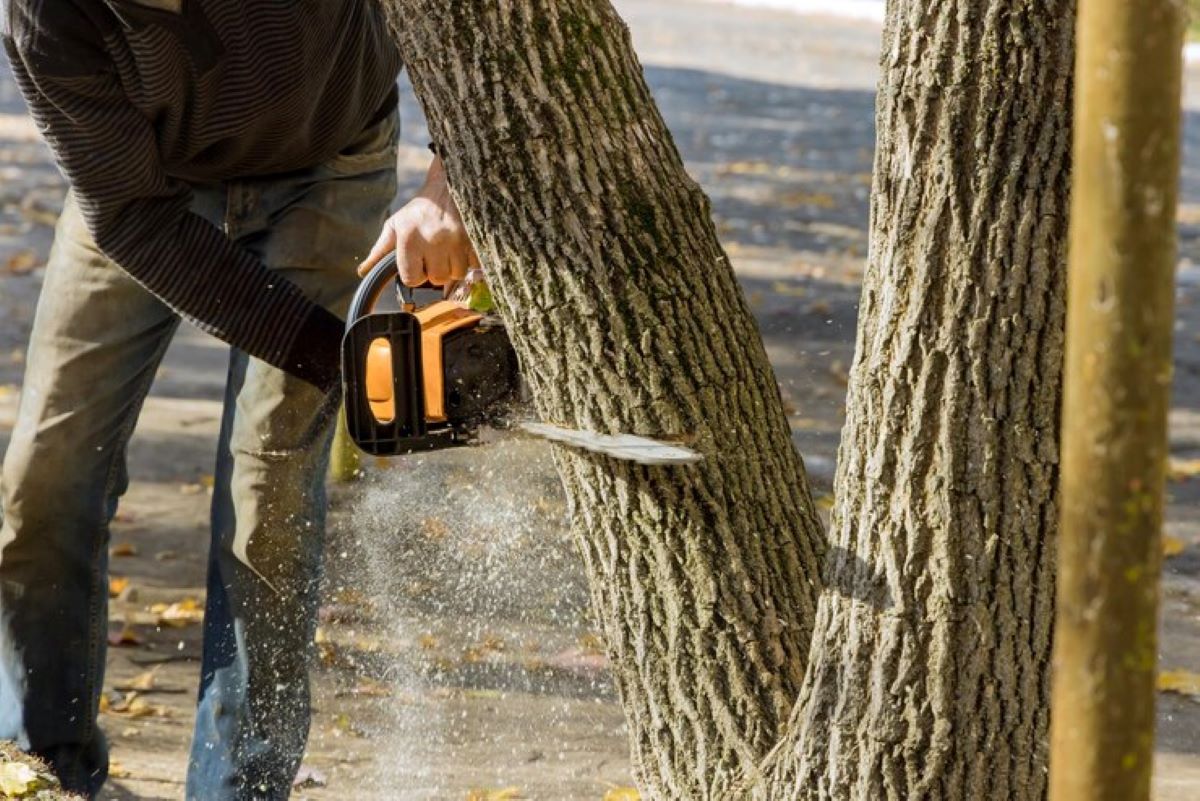
In some cases, it may be necessary to remove trees that are dead, diseased, or pose a risk to nearby structures. Arborists have the expertise and equipment to safely carry out tree removals without causing damage to surrounding properties.
3. Stump Grinding
After a tree has been removed, its stump can become an eyesore and potential trip hazard on shared grounds. Arborists offer stump grinding services to effectively eliminate stumps and restore the usability of outdoor spaces.
4. Emergency Tree Services
Storms and severe weather conditions can lead to unexpected tree damage or failures. Arborists in North Sydney provide emergency tree services 24/7 to address such situations promptly and mitigate any potential risks.
5. Canopy Reduction and Crown Thinning
When trees grow too close to buildings or other structures, it may be necessary to reduce their canopy size or thin out their crowns. This helps prevent interference with roofs, power lines, and other infrastructure while maintaining the overall health of the trees.
The Importance of Arborist Reports for Strata Properties
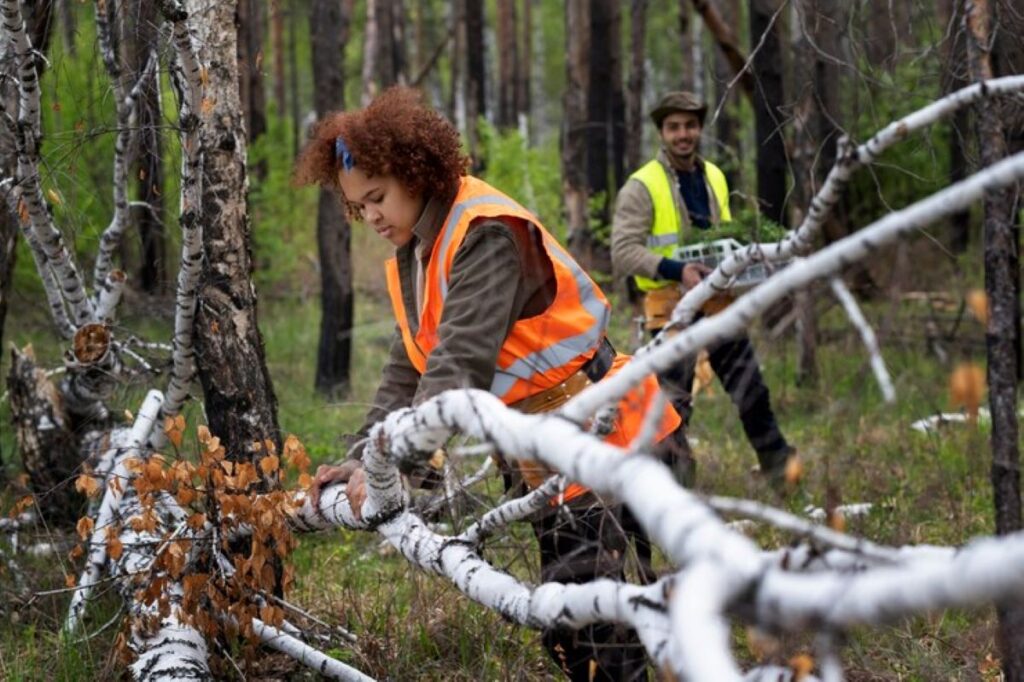
Arborist reports play a crucial role in assisting strata committees with compliance requirements related to tree management. These detailed assessments conducted by qualified arborists provide valuable information regarding:
- Tree health status
- Identification of structural defects
- Assessment of risk levels associated with specific trees
- Recommendations for maintenance actions or potential removals
These reports serve multiple purposes:
- Supporting permit applications: When seeking approval from local authorities such as North Sydney Council for any proposed tree works, having an arborist report can strengthen your case.
- Demonstrating due diligence: In order to protect owners corporations from liability claims arising out of incidents involving trees on their property, it is essential to show that reasonable care was taken in managing those trees. An arborist report serves as evidence of this duty being fulfilled.
By engaging professional arborists who specialize in strata properties, you can ensure that all aspects related to tree care are handled efficiently while minimizing disruptions within your community. Check out more about tree removal services explained: What’s Included, What’s Not, and What Homeowners Should Ask.
How Do Arborists Assist with Legal Compliance and Permit Processes?
Arborists play a crucial role in helping property managers navigate North Sydney’s complicated tree regulations. They do this by interpreting council compliance requirements and breaking them down into practical steps that property managers can follow. Arborists stay up-to-date with local laws, ensuring they know which trees need permits and what documents councils expect.
The Importance of Arborist Inspections in the Permit Process
Arborist inspections are a vital part of the permit process. During their visits to the site, qualified professionals evaluate the health of trees, check their structural stability, and identify any potential risks they may pose to properties or public safety. They gather important information such as the species of the tree, its size, condition, and how close it is to buildings or property boundaries—details that councils require for permit applications.
These inspections also extend beyond just tree health. They often involve thorough assessments that align with inspections and code enforcement standards set by local authorities. This ensures that all aspects of tree management comply with existing regulations.
Streamlining the Submission Process with Arborist Expertise
When arborists take charge of the submission process, things become much smoother. They create comprehensive reports that include photographs, measurements, and expert recommendations addressing any concerns raised by the council. This specialized knowledge greatly boosts approval rates because applications now contain valid justifications for proposed actions and prove adherence to Australian Standards for tree pruning.
Finding Solutions for Protected Trees or Heritage Listings
In cases where protected trees or heritage listings are involved, arborists come up with alternative solutions that meet both the needs of the property owner and the requirements for preservation. They directly communicate with council officers to clarify what is needed and resolve any uncertainties before making an official submission.
Who Is Responsible for Tree Maintenance in Strata Settings?
Tree maintenance responsibilities in strata properties depend on the tree’s location. Common property trees fall under the owners corporation management, while trees within individual lot boundaries remain the lot owner responsibilities.
Owners Corporation Responsibilities
The owners corporation handles all aspects of tree care on common property, including:
- Regular pruning and maintenance schedules
- Obtaining council permits for significant work
- Arranging professional arborist assessments
- Removing dangerous or dead trees
- Passing special resolutions for major actions like large tree removal or hedge elimination
Lot Owner Responsibilities
For trees within individual lots, owners must maintain their own trees and ensure they don’t pose risks to neighboring properties or common areas. Lot owners need council permits for protected species or significant pruning work, just as the owners corporation does for common property trees. It’s essential for lot owners to understand their responsibilities as a tree keeper to avoid potential disputes.
Importance of Distinction
The distinction becomes critical when overhanging branches extend from one area to another. If a common property tree overhangs a private lot, the owners corporation manages the maintenance. When a lot owner’s tree affects common property or another lot, that individual owner bears responsibility for appropriate action.
How Are Disputes Over Overhanging Branches or Root Damage Resolved?
The Trees (Disputes Between Neighbours) Act 2006 provides the main legal framework for resolving tree-related conflicts in NSW. Property owners can apply to the Land and Environment Court if a neighbour’s tree causes damage, poses a danger, or severely obstructs sunlight or views. The Act covers issues ranging from overhanging branches to root systems damaging foundations, driveways, or underground services.
Mediation
Mediation serves as the first step before court action. Community Justice Centres offer free mediation services where both parties can discuss concerns with a neutral facilitator. This approach often resolves disputes without legal costs or lengthy proceedings.
Court Application
When mediation fails, property owners can lodge a court application seeking orders for pruning, removal, or compensation. The court considers factors including tree health, safety risks, and reasonableness of the request.
Role of Arborists
Arborists provide critical expert evidence during disputes by conducting detailed assessments of tree condition, root systems, and potential hazards. Their professional reports document structural damage, quantify risks, and recommend appropriate remedial actions, strengthening cases for legal resolution.
How Do Arborists Promote Sustainable Tree Management to Protect Property Value?
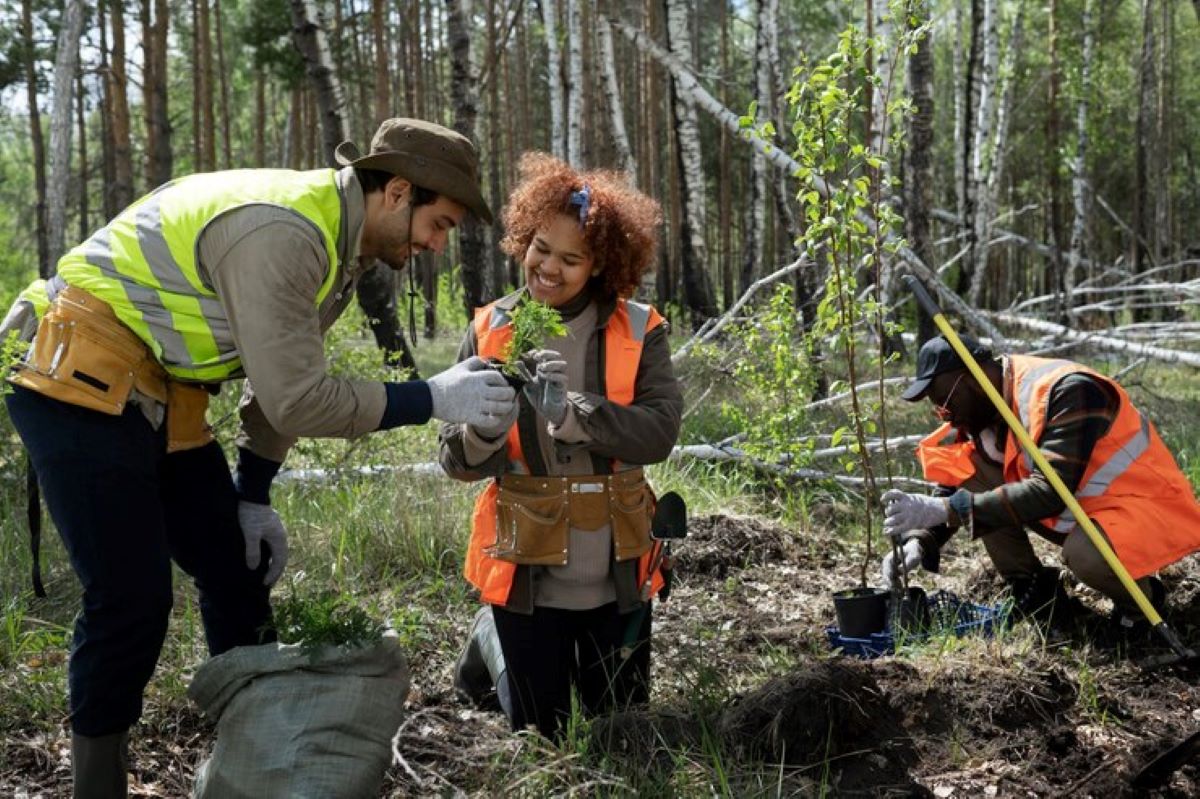
Arborists implement sustainable tree care strategies that prevent costly damage before it occurs. Regular crown reduction and selective pruning control tree size, stopping branches from interfering with buildings, power lines, or neighbouring properties. Root management techniques, including root barriers and strategic pruning, prevent foundation damage and pavement lifting while preserving tree health.
Ongoing maintenance plans deliver multiple advantages:
- Scheduled inspections identify structural weaknesses or disease early
- Preventative pruning reduces storm damage risk
- Compliance monitoring ensures adherence to council regulations
- Documentation supports insurance claims and legal requirements
Property safety enhancement through professional tree care directly impacts market value. Well-maintained trees contribute to kerb appeal and create attractive outdoor spaces that buyers seek. Properly managed canopies provide shade and privacy without posing hazards, while healthy root systems avoid expensive repairs to driveways, retaining walls, and underground services. Risk prevention measures protect both physical assets and the financial investment strata owners have made in their properties.
Why Should You Hire a Professional Arborist for Effective Tree Care Solutions in North Sydney’s Strata Properties?
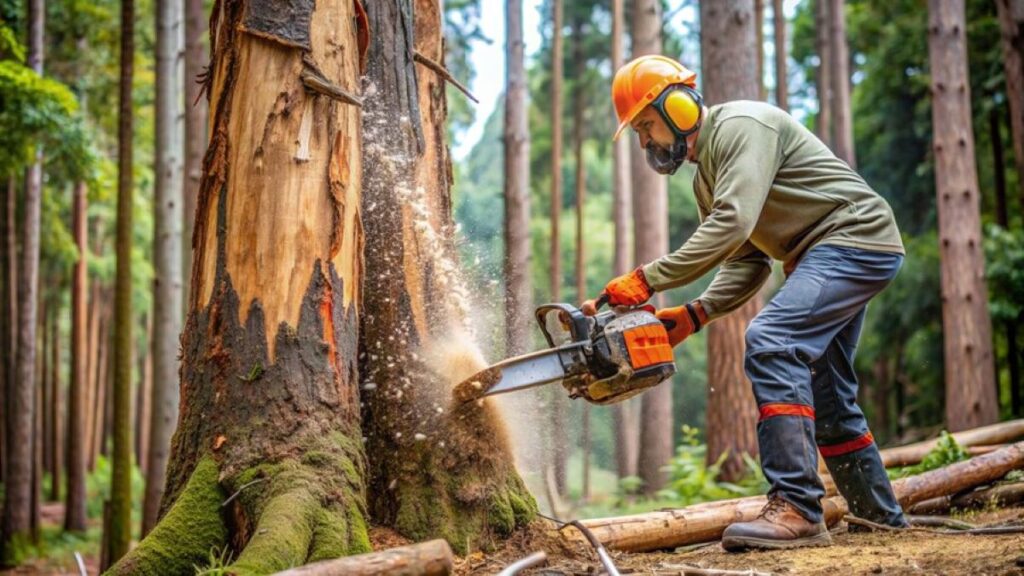
Professional arborist services provide the expertise needed to handle complex strata tree management while ensuring compliance with NSW laws and council regulations. Qualified arborists know how to deal with overhanging or strata-managed trees—from conducting risk assessments to obtaining necessary permits and performing safe pruning or removal work.
Strata tree management benefits go beyond legal compliance. Professional arborists protect property owners from liability by identifying hazards before they cause damage, prepare detailed reports for owners corporation meetings, and implement maintenance strategies that preserve tree health while protecting buildings and boundaries. Their specialized knowledge prevents costly mistakes that untrained individuals might make when attempting DIY tree work, ensuring both safety and long-term property value protection.