

This guide breaks down how to choose, where each option fits, and what to consider before they book supply and install.
What is the real difference between temporary and permanent mesh fencing?
Temporary options are designed to move, adapt, and come down quickly, while permanent options are built to stay put through weather, wear, and ongoing use. The biggest difference is how they’re fixed to the ground and the expected service life.
In practice, temporary systems prioritise speed and flexibility. Permanent systems prioritise strength, compliance, and lower long-term disruption.
When does a site need temporary mesh fencing?
They usually need temporary fencing when the boundary lines change, access points shift, or the site is only active for weeks or months. It is common where multiple trades rotate through stages and the hazards move with them.
In Australia, mesh fencing is widely used for short-term control around construction zones, demolition areas, footpath diversions, and pop-up work compounds.
How is temporary mesh fencing typically installed on Australian sites?
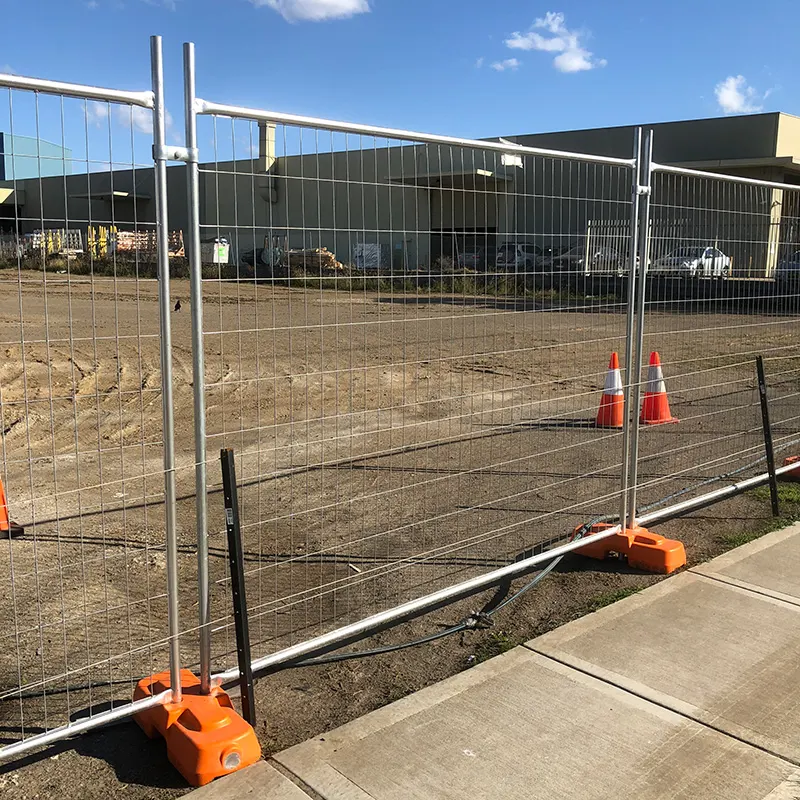
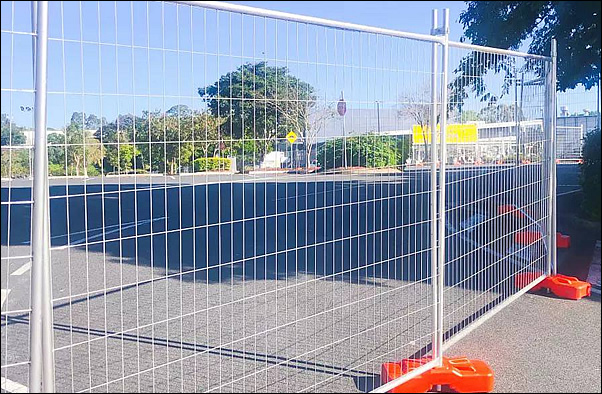
Most temporary systems use freestanding panels set into weighted feet, sometimes with stabilisers or braces where wind exposure is high. Gates can be added for vehicle access, deliveries, or pedestrian movement.
For extra control, contractors often pair mesh fencing with shade cloth, signage, and lockable access points, especially where the public is close to the work zone.
What are the main benefits of temporary mesh fencing?
The main benefit is speed. They can fence off risk areas the same day, then adjust the layout as the job progresses.
Temporary mesh fencing can also reduce costs when the site has a defined finish date, because they are paying for what they need now, not what they might need later.
What are the common limitations of temporary mesh fencing?
Temporary systems can be more vulnerable to high winds, tampering, and uneven ground if they are not properly braced. They also rely on routine checks because feet can shift and panels can be moved.
If they need a long-term boundary, re-hiring or re-installing temporary mesh fencing over and over can become more expensive than building it once.
When does a site need permanent mesh fencing?
They usually need permanent fencing when the boundary must remain consistent for years, such as ongoing industrial yards, depots, schools, sporting facilities, or strata perimeters. It also suits sites with recurring security risks or high-value assets.
In many cases, permanent mesh fencing is chosen when they want fewer interruptions, fewer call-outs, and a cleaner, finished look.
How is permanent mesh fencing typically installed?
Permanent installations generally use posts set into concrete footings, with mesh fixed by clamps, rails, or tension systems depending on the product. The layout is surveyed, heights are confirmed, and gates are fitted to match traffic flow.
Because permanent mesh fencing becomes part of the property, they will often coordinate installation with civil works, drainage, and landscaping to avoid rework.
What are the main benefits of permanent mesh fencing?
The main benefit is durability. They are paying for a structure that stands up to Australian sun, wind, and day-to-day impact.
Permanent mesh fencing can also improve security, reduce liability, and present a more professional perimeter for clients, tenants, or auditors.
What are the common limitations of permanent mesh fencing?
Upfront cost is higher, and they need more planning time for footings, set-out, and approvals if required. Once installed, changes are harder, especially if access points need to move later.
If the site is still evolving, locking in permanent mesh fencing too early can create awkward vehicle routes or wasted sections that need removal.
Which option is better for construction sites in major Australian cities?
Temporary solutions are often more practical during active construction projects in Sydney, Melbourne, Brisbane, Perth, and Adelaide because site boundaries and access points can change as work progresses. Permanent options become more common when a site moves into normal operations, such as a completed warehouse, school upgrade, or civil asset.
Some projects use both, starting with mesh fencing panels for early-stage control, then replacing key boundaries with permanent runs later.
How do they decide based on safety and compliance?
They should start with the risks they need to control, then match the system to the exposure, duration, and public interface. If pedestrians can approach the boundary, they may need more robust controls, clearer signage, and better access management.
For many sites, mesh fencing is part of a broader safety plan that includes exclusion zones, traffic management, and site induction requirements.
How do security needs change the temporary vs permanent choice?
If theft, vandalism, or after-hours trespassing is a concern, a permanent solution may provide greater security, particularly when combined with lockable gates and controlled access points. Temporary arrangements can still be effective when supported by stabilisers, suitable anti-climb measures, and regular inspections. Site security fencing options should ultimately reflect the project’s duration, location, and security risks.
Where assets are stored on site, mesh fencing is often paired with lighting, cameras, and clear lines of sight.
What role does weather play on Australian sites?
Weather matters most on exposed sites in coastal areas, high-wind corridors, and open industrial precincts. Temporary systems can be made safer with bracing and smart placement, but they still need monitoring after storms.
Permanent mesh fencing usually handles weather better because the posts and footings provide consistent strength through seasonal changes.
How should they think about cost over the project lifecycle?
Temporary can look cheaper at the start, but the total cost depends on hire duration, call-outs, repairs, and site changes. Permanent can cost more upfront, but it often becomes cheaper over time if they would otherwise keep paying hire fees.
A simple rule is that if mesh fencing will be needed beyond a typical project stage, they should compare long-term numbers rather than day-one quotes.
Can they mix temporary and permanent mesh fencing on the same site?
Yes, and it is common on Australian builds. They might install permanent boundary lines where the perimeter will not change, then use temporary panels internally to manage staged works, deliveries, or pedestrian pathways.
This hybrid approach often gives them the best of both worlds, using mesh fencing strategically instead of forcing one solution across every area.
What site types suit temporary mesh fencing best?
Temporary suits short-duration or mobile work, such as roadworks, council upgrades, minor commercial refurbishments, and utility maintenance. It also suits events where entry points need quick setup and pack-down.
In these scenarios, mesh fencing works best when they plan access early and schedule regular checks for movement or damage.
What site types suit permanent mesh fencing best?
Permanent suits facilities with ongoing use, such as logistics yards, manufacturing sites, schools, aged care upgrades, sports clubs, and strata boundaries. It also suits remote sites where frequent maintenance visits are costly.
For these sites, mesh fencing can be selected for specific needs like visibility, airflow, and a cleaner perimeter compared with solid barriers.
What should they check before choosing an installer or supplier?
They should check lead times, product specs, warranty terms, and whether the provider can handle both supply and install. They should also confirm how gates will be set up for trucks, tradies, and emergency access.
If they need mesh fencing fast, they should ask about stock availability in their state and whether weekend installs are possible.
How do they choose the right height and finish?
They should choose height based on risk, public access, and the type of site activity. Higher fencing can improve security, while lower fencing can be enough for basic demarcation and traffic guidance.
Finishes matter too. Galvanised options suit harsh conditions, while coated finishes can suit public-facing areas where mesh fencing needs to blend into the streetscape.
What is the simplest way to make the final call?
They should choose temporary when the site will change or end soon, and permanent when the boundary is stable and long-term. If they are unsure, they can start temporary and plan a permanent upgrade once access routes and site layout settle.
In Australia, the most cost-effective outcome usually comes from matching mesh fencing to the real timeline, not the optimistic one.
FAQs (Frequently Asked Questions)
What is the main difference between temporary and permanent mesh fencing in Australia?
Temporary mesh fencing is designed for quick installation, flexibility, and easy removal to adapt to changing site conditions, while permanent mesh fencing is built for long-term durability, strength, and compliance with fixed ground fixings to withstand weather and ongoing use.
When should a construction site use temporary mesh fencing?
Temporary mesh fencing is well suited to sites where boundaries and access points change regularly or where construction activity is limited to a few weeks or months. It is commonly used across Australian construction zones, demolition sites, footpath diversions, and temporary work compounds because it offers quick installation and flexibility. These applications also highlight the importance of safety requirements for temporary scaffolding on construction sites when multiple temporary structures operate within the same work area.
How is temporary mesh fencing typically installed on Australian sites?
Temporary mesh fencing usually involves freestanding panels set into weighted feet, sometimes reinforced with stabilisers or braces in high-wind areas. Gates can be added for controlled vehicle or pedestrian access. Contractors often enhance these setups with shade cloth, signage, and lockable access points to improve safety near public areas.
What are the benefits and limitations of permanent mesh fencing?
Permanent mesh fencing offers superior durability against Australian sun, wind, and daily impacts, improving security and presenting a professional perimeter with fewer disruptions over time. However, it requires higher upfront costs, more planning for concrete footings and approvals, and is less flexible if boundary changes are needed later.
How do safety and compliance considerations influence the choice between temporary and permanent mesh fencing?
Choosing between temporary and permanent mesh fencing depends on risk exposure duration and public interface. Sites with pedestrian proximity may need robust controls like clearer signage and controlled access that permanent fencing better provides. Mesh fencing forms part of broader safety plans including exclusion zones and traffic management to ensure compliance.
What factors affect cost when choosing between temporary and permanent mesh fencing?
While temporary mesh fencing may seem cheaper initially due to lower upfront costs, total expenses depend on hire duration, maintenance, repairs, and layout changes. Permanent fencing requires higher initial investment but often proves more cost-effective over time by eliminating repeated hire fees and reducing ongoing disruptions.